CNC Milling
Use broad support and sharp cutters because the material can flex and move during machining.
Explore CNC milling →MATERIAL GUIDE AND SUPPLIER SOURCING
Use this independent guide to compare typical PP (Polypropylene) properties, machining and finishing considerations, and the information suppliers may need before quoting custom parts.
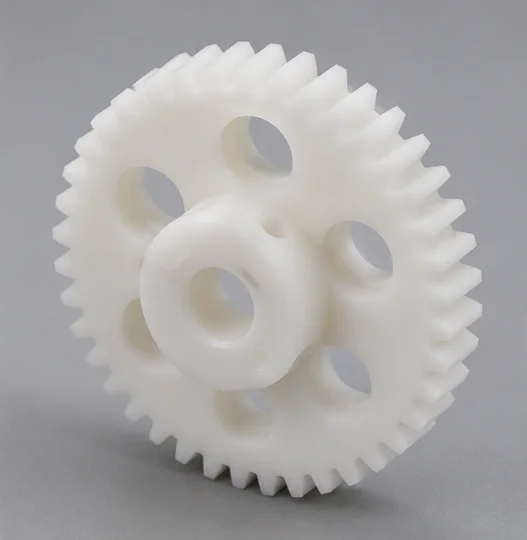
MATERIAL OVERVIEW
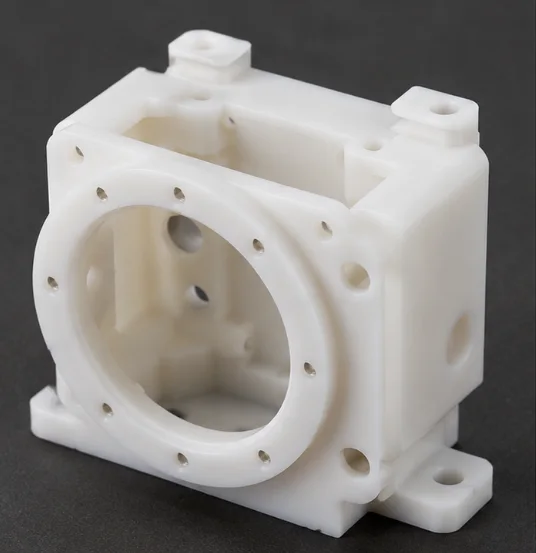
Relative project profile
| Common Grades | Stock Forms | Machining | Finish Options | Production Fit |
|---|---|---|---|---|
| Homopolymer, copolymer, filled PP options | Sheet, plate, rod, molded stock | Sharp tools, excellent support, low clamping force | As-machined, edge finishing, welding-compatible fabrication review | Prototype and low-volume parts |
PROCESS PLANNING
RapidMfgPro reviews geometry, tolerance, material behavior, finish, quantity, and inspection requirements before matching the project with suitable manufacturing resources.
Use broad support and sharp cutters because the material can flex and move during machining.
Explore CNC milling →Suitable for low-load rings, sleeves, adapters, and fluid-system components.
Explore CNC turning →As-machined surfaces are common; functional edge quality is usually more important than gloss.
Discuss finish requirements →DESIGN GUIDE
Use the following points as an early DFM checklist. Final recommendations depend on part geometry, stock form, quantity, finish, and functional requirements.
Request a DFM ReviewAvoid long unsupported walls and narrow cantilevers unless movement is intentional.
Reduce stress and improve tool access around internal corners.
Distribute holding force to prevent temporary distortion.
Use realistic clearance and avoid unnecessary press fits.
TECHNICAL SPECIFICATION
These are practical sourcing and machining guidelines, not a replacement for the certified material datasheet for the exact grade selected.
| Common grades | Homopolymer, copolymer, filled PP options |
|---|---|
| Available stock | Sheet, plate, rod, molded stock |
| Machining approach | Sharp tools, excellent support, low clamping force |
| Finish options | As-machined, edge finishing, welding-compatible fabrication review |
| Production fit | Prototype and low-volume parts |
| Inspection planning | Define critical dimensions, fits, cosmetic surfaces, and documentation before production. |
SUPPLIER MATCH REQUEST
Upload your drawing and share the material, quantity, tolerance, finish, and delivery requirements.