DFMDesign & tooling review
PROJECT-LED DIE CASTING
Find Die Casting Suppliers for Production Parts
RapidMfgPro helps buyers compare die casting routes, prepare tooling and quality requirements, and identify independent suppliers for aluminum, zinc, or magnesium projects.
Discuss Your Die Casting Project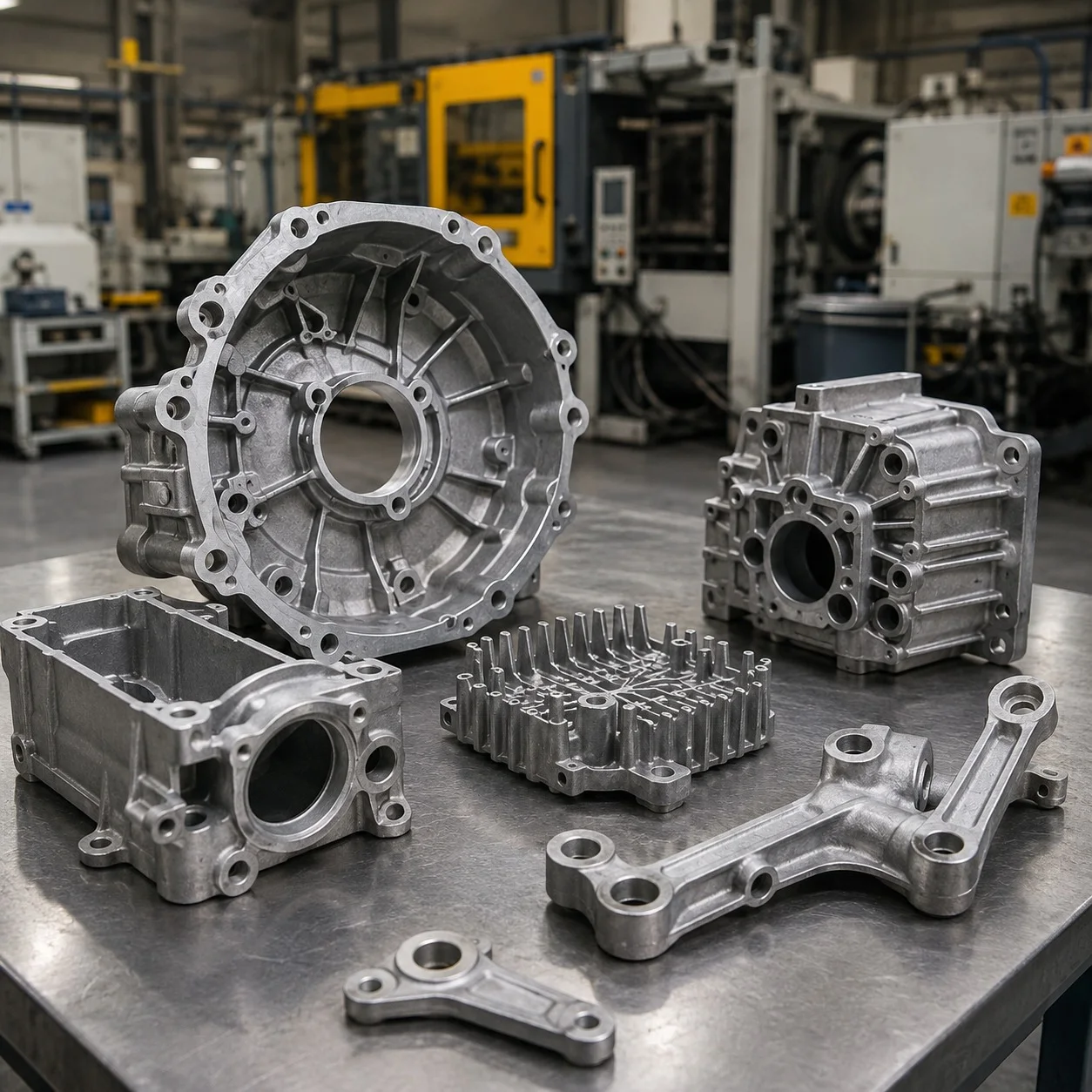
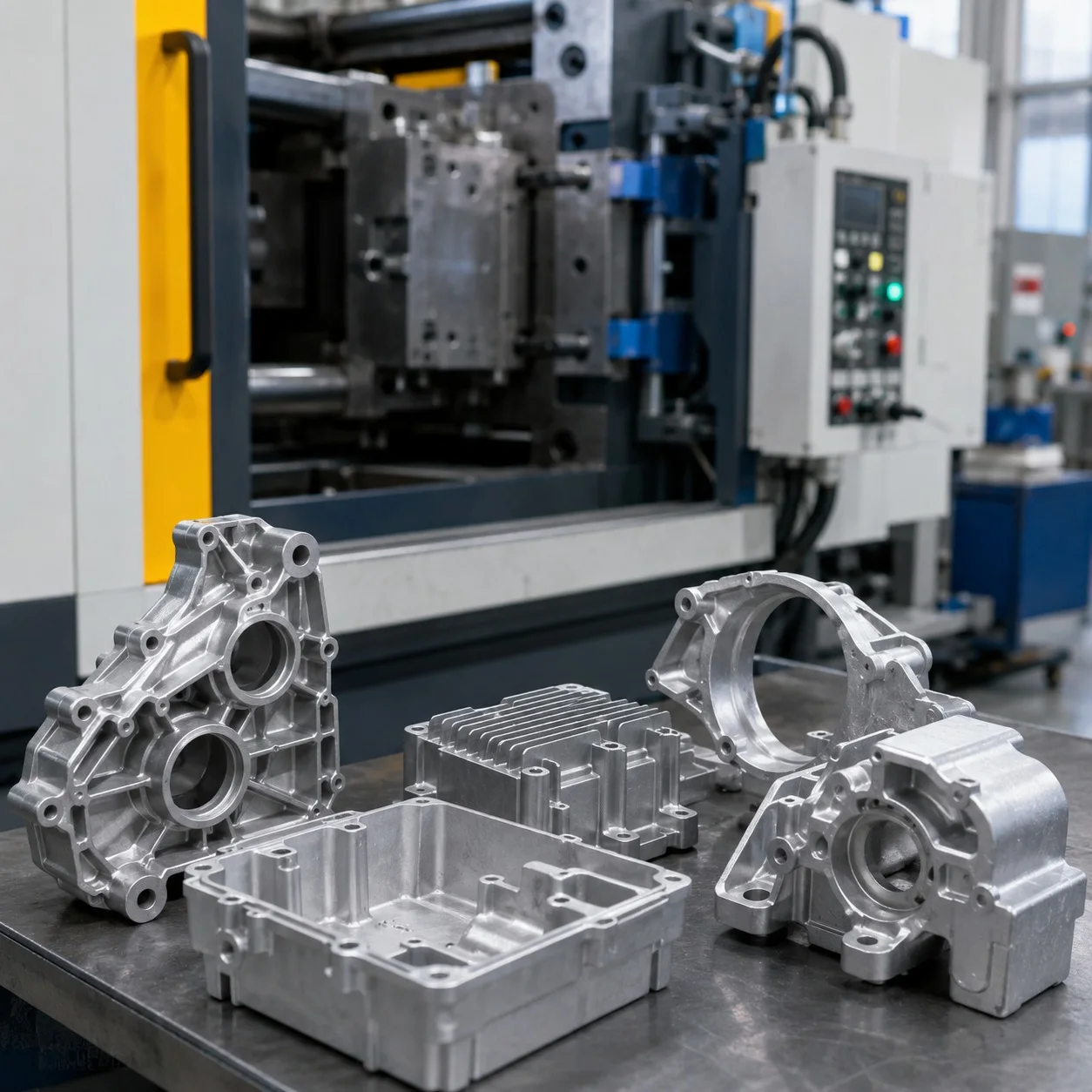
DIE CASTING EXPLAINED
What Is Die Casting?
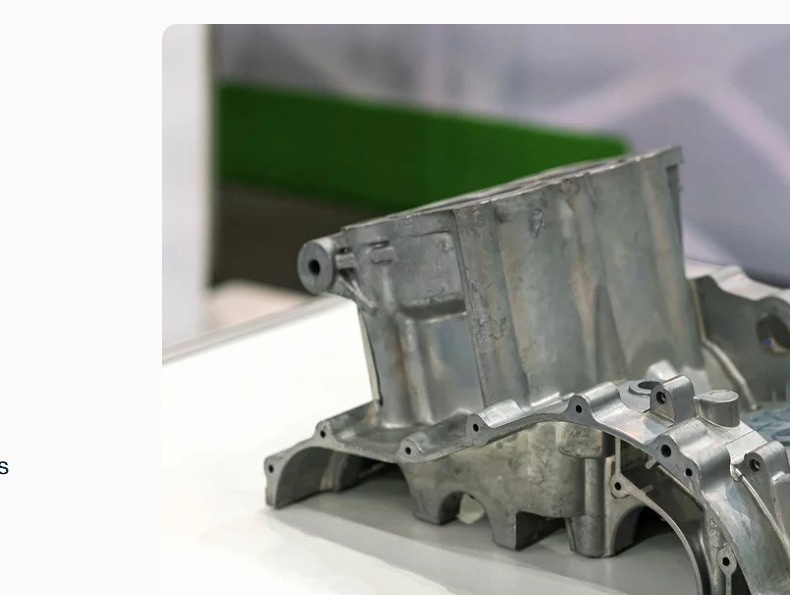
Die casting is a metal manufacturing process in which molten non-ferrous alloy is injected into a hardened steel die under pressure. It is commonly used for aluminum, zinc, and magnesium components that need complex geometry, repeatability, and efficient production at volume.
A die casting program typically combines part design review, tooling, casting, trimming, secondary machining, surface finishing, inspection, and packaging. The exact route depends on the alloy, geometry, functional requirements, cosmetic expectations, and planned order volume.
High-pressure die casting can produce thin walls, integrated ribs, bosses, and other features efficiently, but final performance depends on well-planned draft, wall transitions, gating, ejection, machining allowances, and inspection strategy.
EMERSONNikonTOYOTAFESTOMicrosoft
COLLABORATIVE FROM DAY ONE
Die Casting Suppliers Matched to Your Requirements
Successful die casting depends on more than machine tonnage. RapidMfgPro aligns part geometry, alloy selection, tooling approach, casting process, secondary operations, inspection needs, and delivery targets before production begins.
Instead of managing separate conversations for tooling, casting, machining, and finishing, you work through one coordinated project flow from RFQ to shipment.
FITProcess & supplier matching
PLANProduction & inspection alignment
ONECoordinated project contact
DIE CASTING PROJECT REVIEW
Die Casting Capability Planning
Each die casting program is reviewed around the features that influence tooling cost, metal flow, cycle stability, secondary operations, and repeatability.
| Design Review | Review draft, wall transitions, ribs, fillets, parting lines, undercuts, and ejection strategy before toolmaking. |
|---|---|
| Material Selection | Match aluminum, zinc, or magnesium to strength, weight, thermal behavior, corrosion needs, surface requirements, and production goals. |
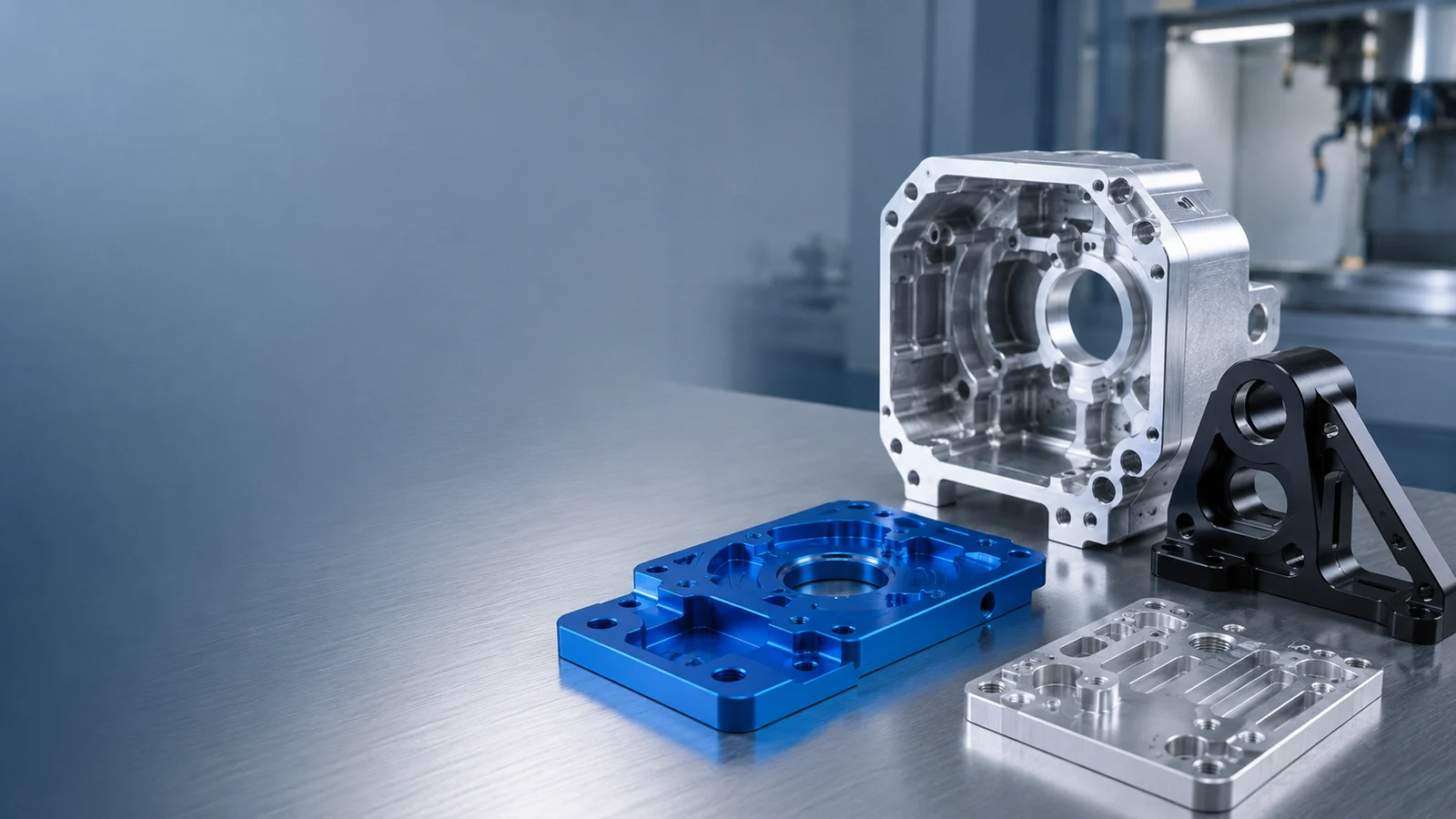
| Tolerance Strategy | Identify critical fits, flatness, runout, threads, and GD&T early. Precision features may be planned for CNC machining after casting. |
| Wall & Feature Planning | Wall thickness, hole details, bosses, and deep features are assessed for fill behavior, die release, tool access, and consistency. |
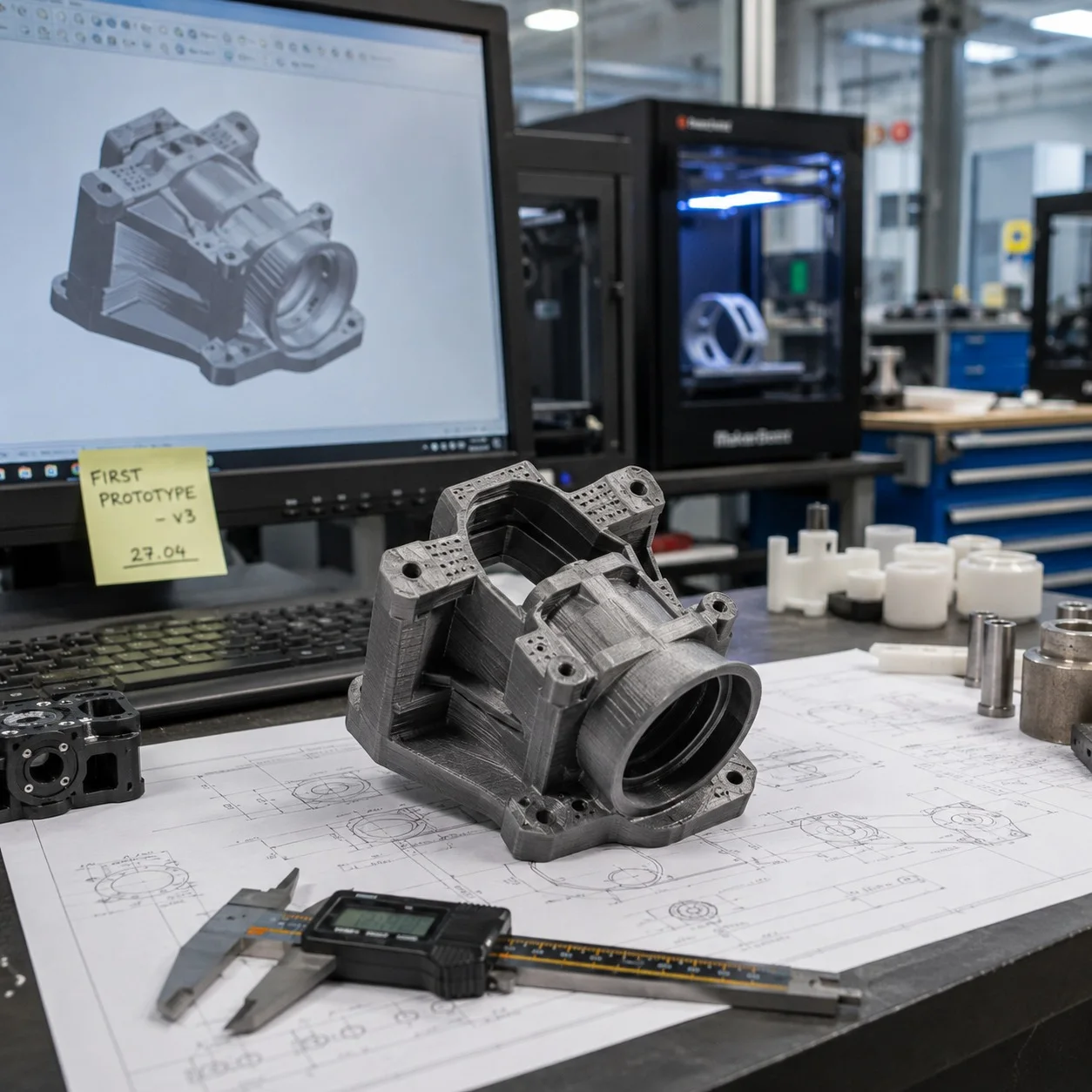
| Tooling Approach | Align prototype, bridge, or repeat-production tooling with expected quantity, part maturity, cavity needs, and release timing. |
| Secondary Operations | Coordinate machining, tapping, deburring, finishing, assembly, and inspection when the part requires features beyond the casting process. |
| Production Volume | Die casting is typically evaluated when volumes and part geometry can justify tooling investment and repeatable production economics. |
| Lead-Time Planning | Tooling complexity, alloy availability, sampling, inspection, and secondary operations are reviewed together to establish a practical schedule. |
DIE CASTING PART EXAMPLES
Typical Die Casting Part Categories
Die casting is well suited to repeatable metal components that combine complex geometry, integrated features, and efficient production at scale.
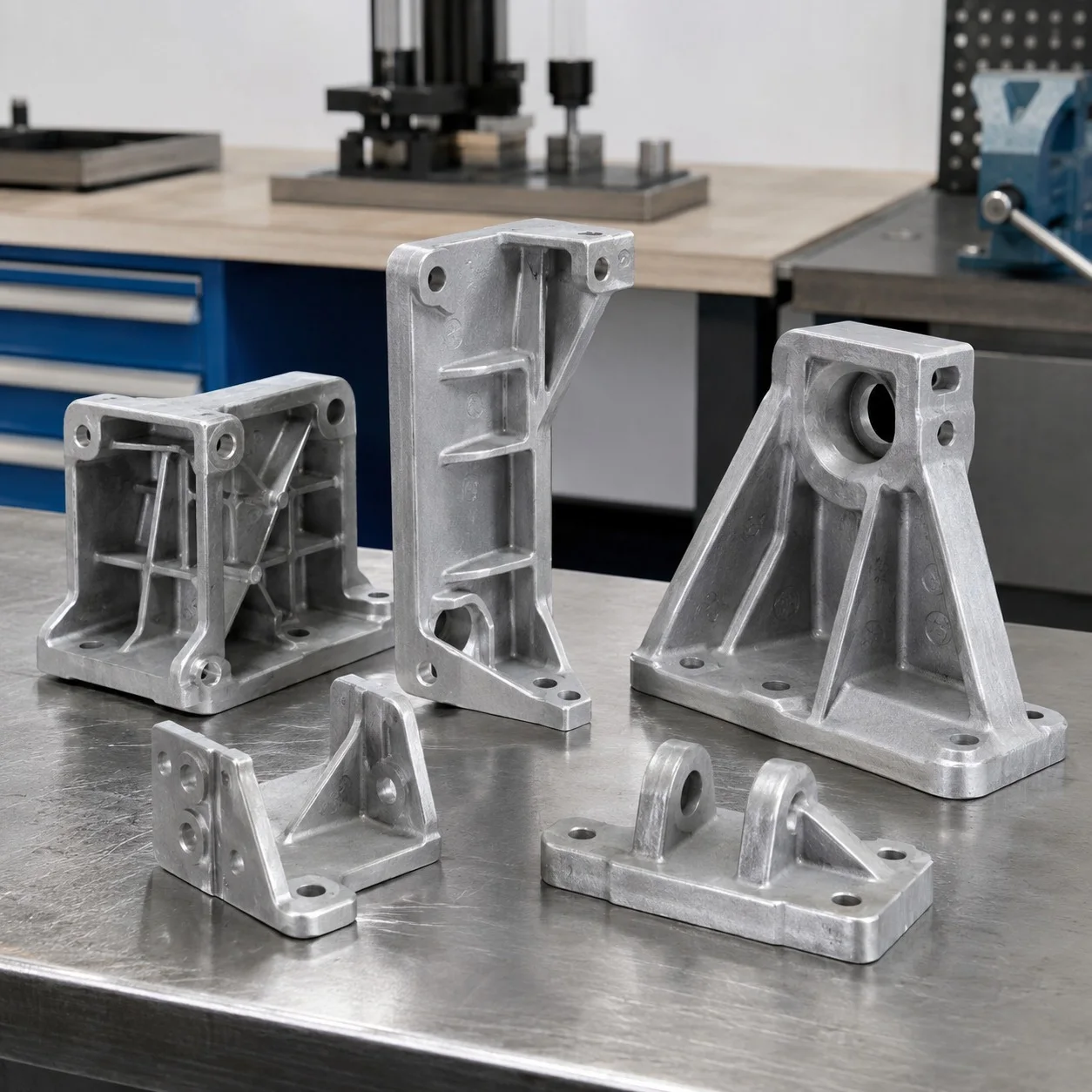
Structural brackets
and components
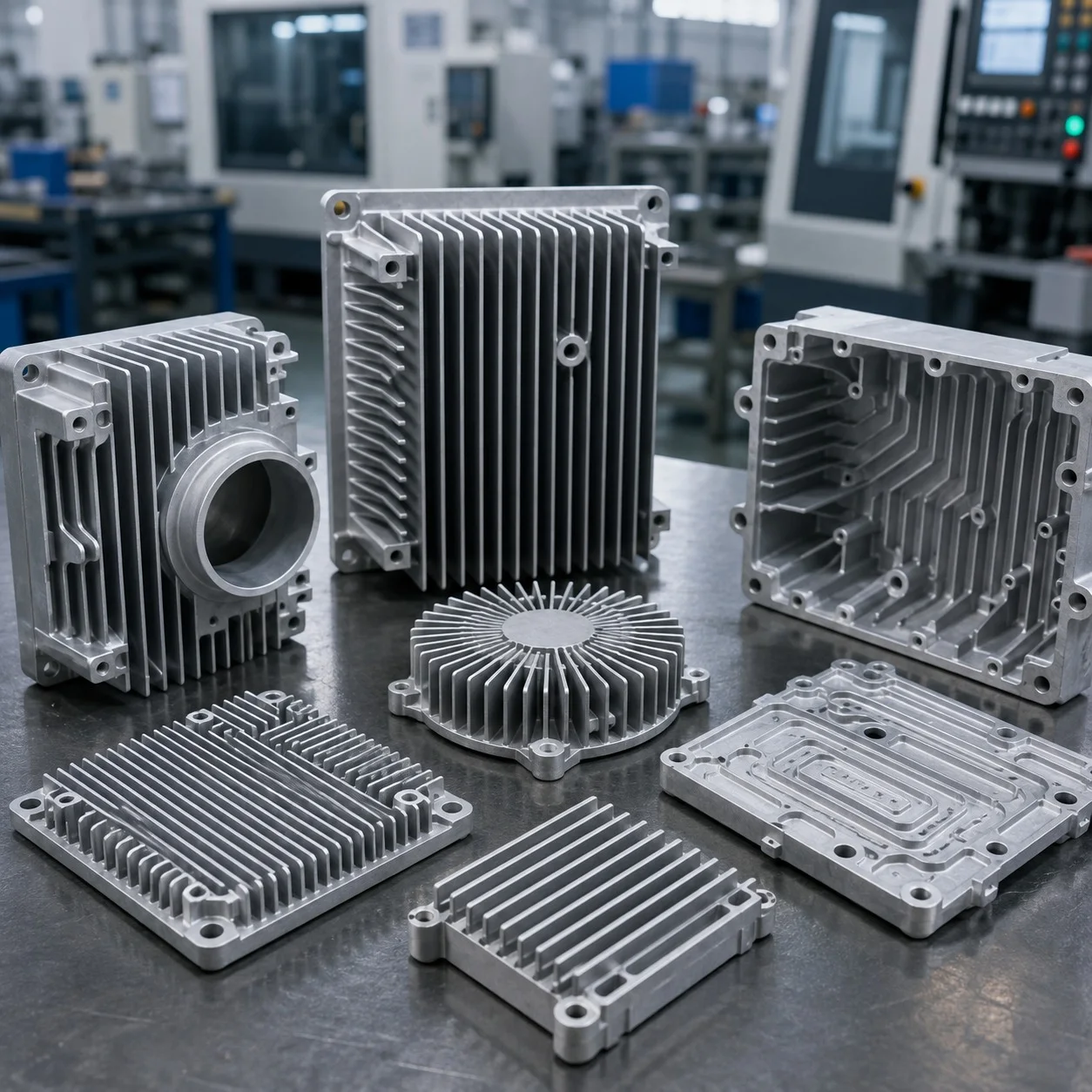
Heat-management
components
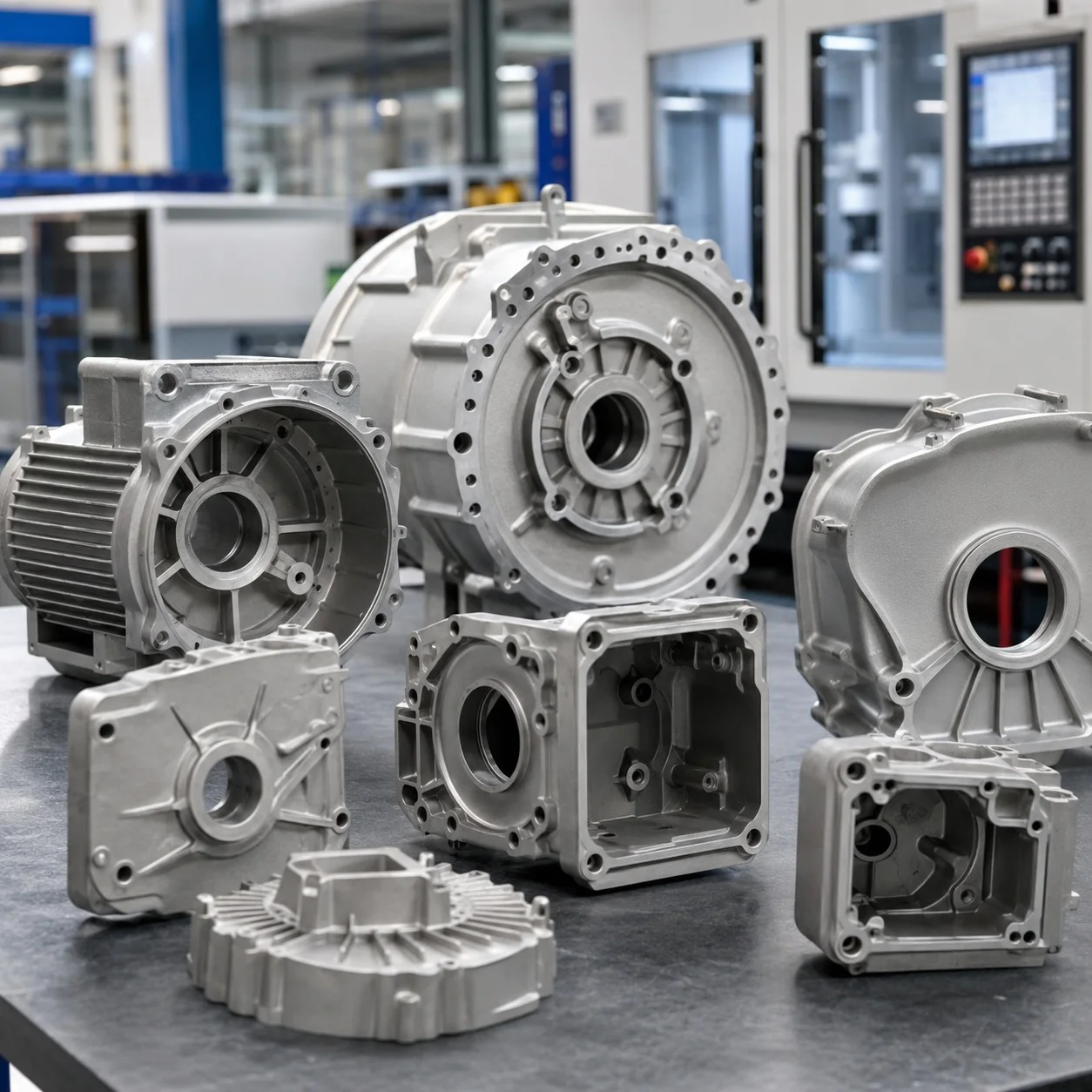
Motor, gearbox, and
equipment housings
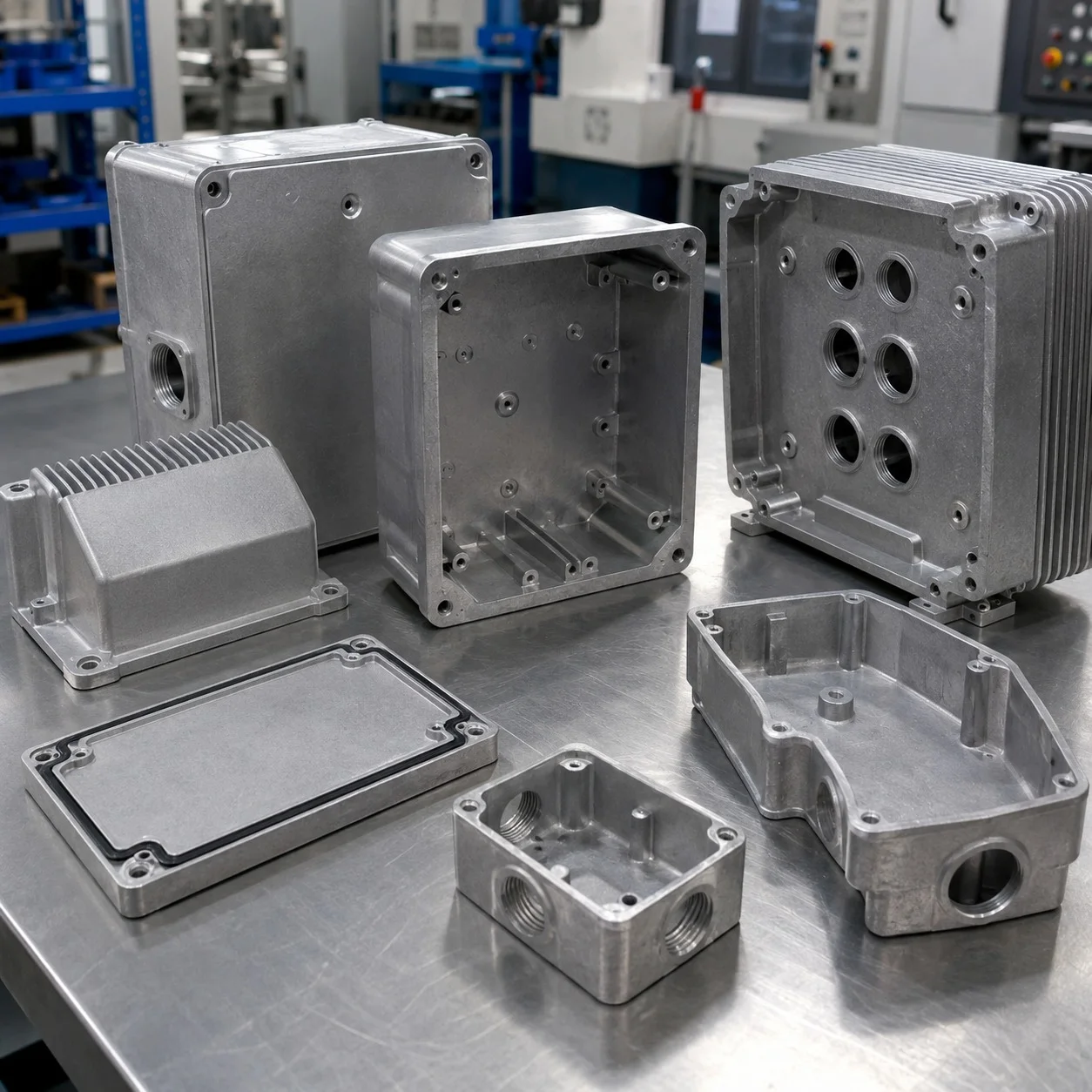
Electronic and
industrial enclosures
HOW DIE CASTING IS PLANNED
From Part Review to Die Casting Production
RapidMfgPro helps buyers organize alloy, tooling, casting, machining, finishing, inspection, and delivery requirements before comparing die casting suppliers.
Tooling ReviewCold-Chamber Die CastingHot-Chamber Die CastingAluminumZincMagnesium
Part, Alloy & Tooling Review
Review geometry, draft, wall thickness, material needs, target volume, and tooling strategy before the production route is confirmed.
Process & Supplier Matching
Match the project to suitable die casting resources based on tonnage, alloy capability, tool requirements, quality expectations, and capacity.
Production Coordination
Coordinate casting, precision machining, finishing, inspection, packaging, and shipment as one connected project flow.
INDUSTRY APPLICATIONS
Die Casting Components Across Industries
Die casting supports high-repeatability components where geometry, integrated features, strength-to-weight requirements, and production efficiency matter.
Medical & Laboratory Equipment
Equipment housings, support structures, and device components with controlled dimensions and finish requirements.
Automotive &
New Energy
Motor housings, structural brackets, transmission-related components, thermal parts, and protective enclosures.
Automation &
Robotics
Gearbox housings, actuator components, fixtures, frames, and precision structural parts for automated systems.
Consumer &
Industrial Products
Aluminum enclosures, heat sinks, internal frames, handles, and durable protective housings for equipment and devices.
QUALITY PLANNING
Quality Planning for Die Casting Projects
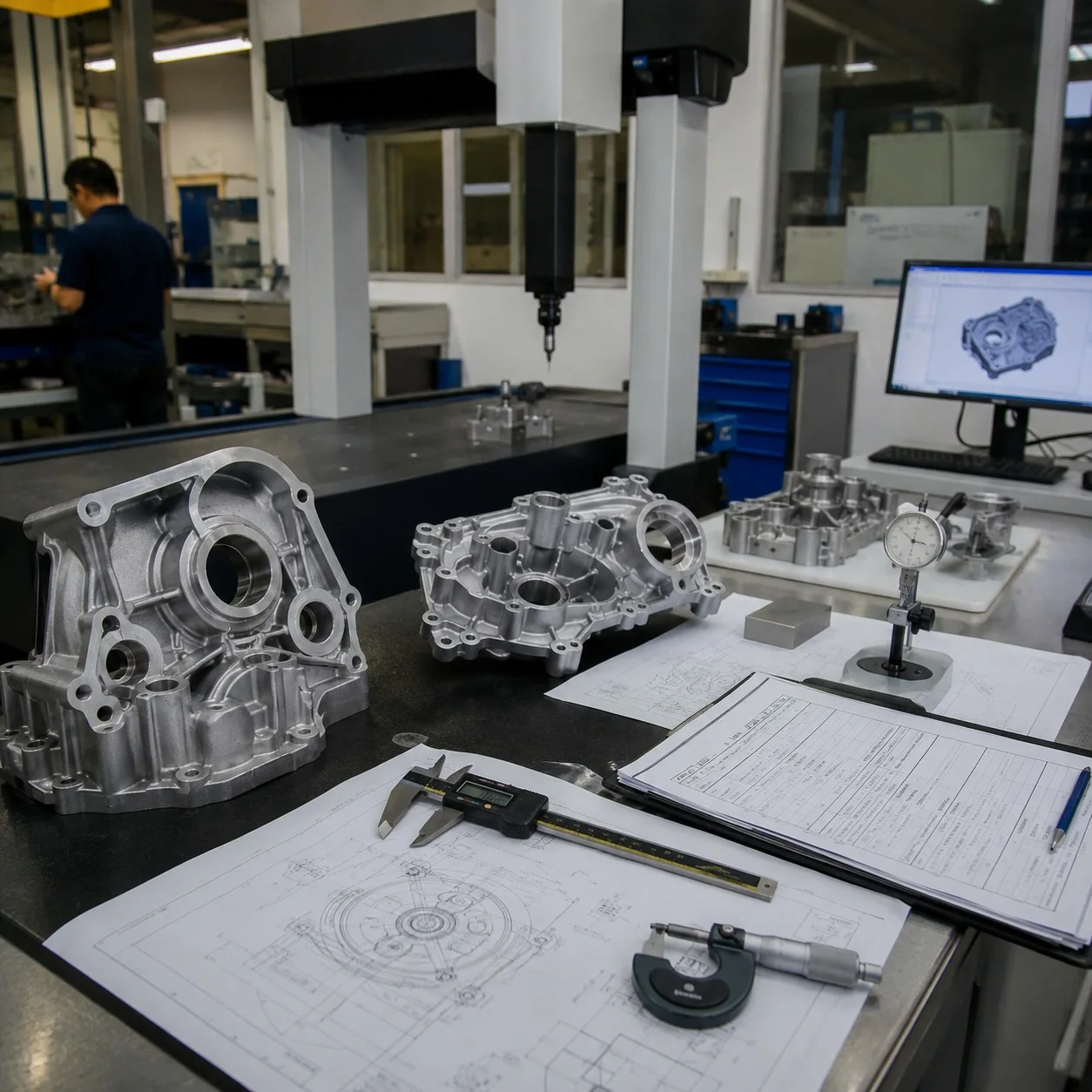
Quality expectations are easier to manage when defined before tooling and production. RapidMfgPro helps buyers prepare critical dimensions, cosmetic areas, material documents, inspection methods, and acceptance criteria for supplier review.
Critical Features Identified Early
Specify functional interfaces, machined datums, threads, sealing surfaces, flatness, porosity-sensitive areas, and visible cosmetic zones so the right controls can be planned.
Inspection & Documentation Coordination
Coordinate dimensional reports, first-article needs, material certificates, process checks, and final inspection records based on the project and end-use requirements.
Plan Your Die Casting ProjectHOW RapidMfgPro SUPPORTS SUPPLIER RESEARCH
How RapidMfgPro Supports Supplier Selection for Die Casting Projects
RapidMfgPro brings tooling, process planning, production coordination, and project communication into one die casting workflow.
Tooling Decisions Based on Your Part
RapidMfgPro helps buyers organize geometry, alloy, draft, wall strategy, target volume, and secondary-operation questions before comparing die casting suppliers.
Production Resources Aligned to Demand
Suitable die casting capabilities are matched to your production stage, part complexity, quality requirements, and delivery plan.
One Organized Supplier Search Flow
Keep questions, revisions, sampling feedback, machining needs, finishing, inspection, and delivery updates organized through one point of contact.
DIE CASTING RESOURCES