CNC Machining Surface Finishes
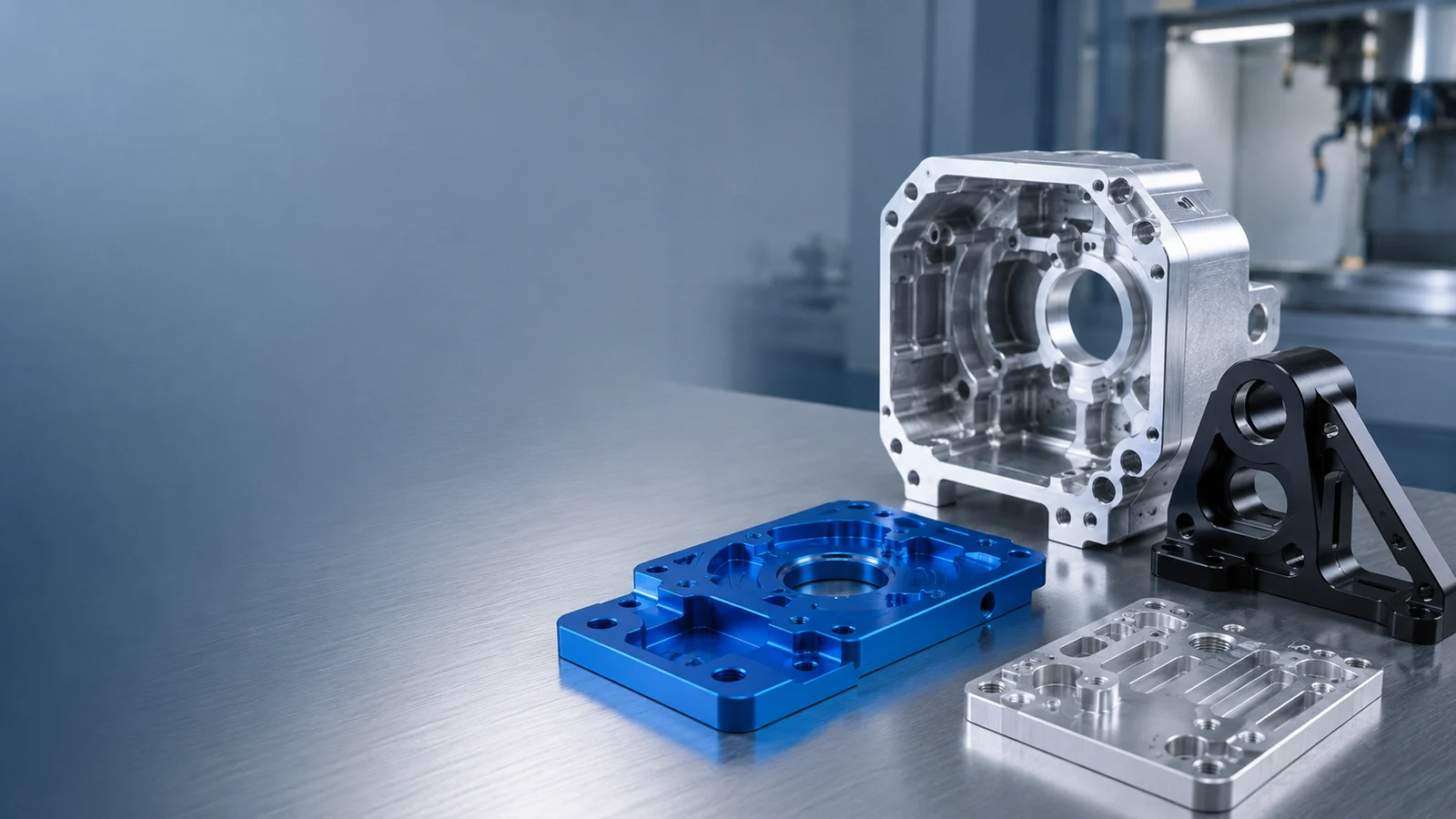
Select a surface finish based on corrosion resistance, wear performance, appearance, texture, and end-use requirements. RapidMfgPro helps buyers define finishing specifications for supplier review.
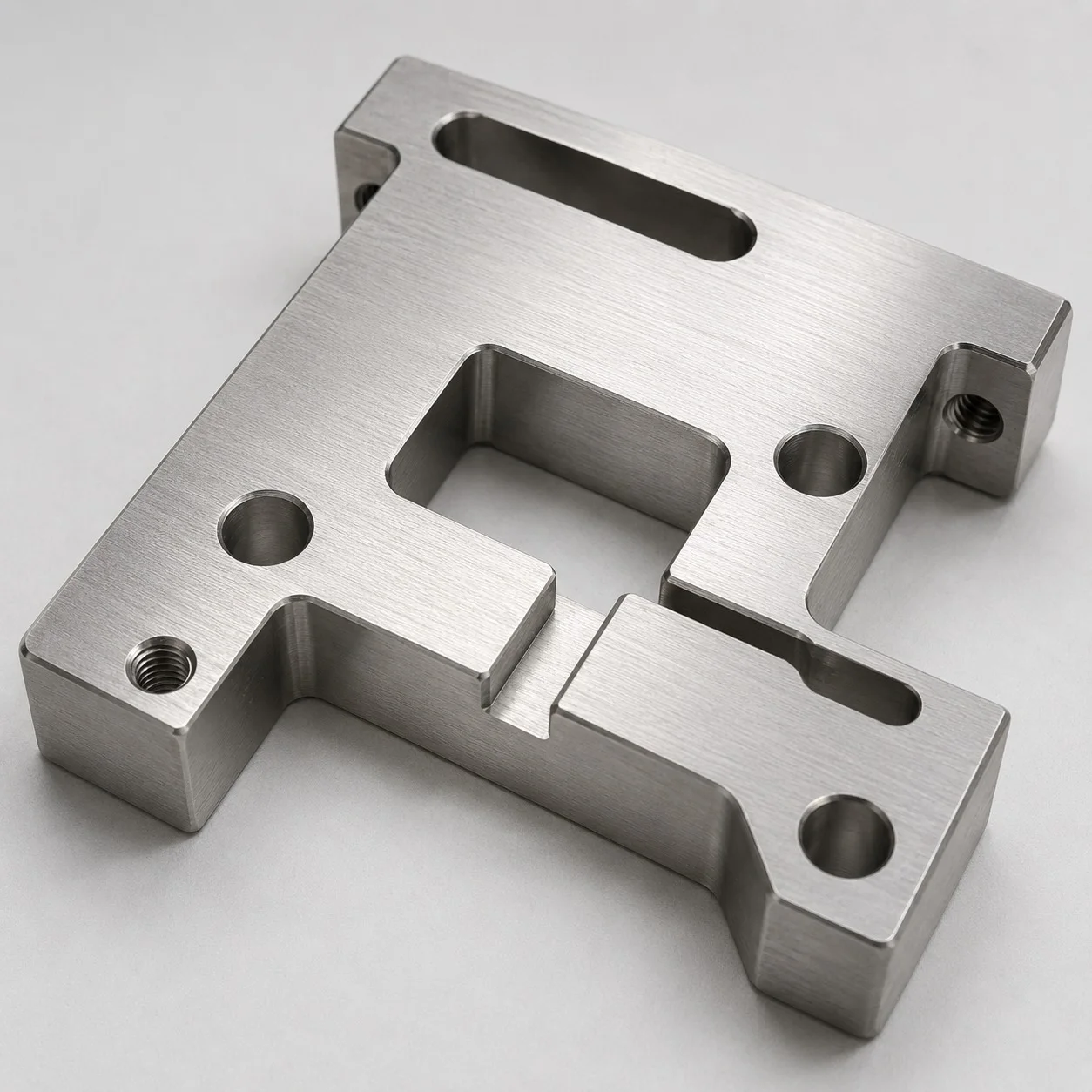
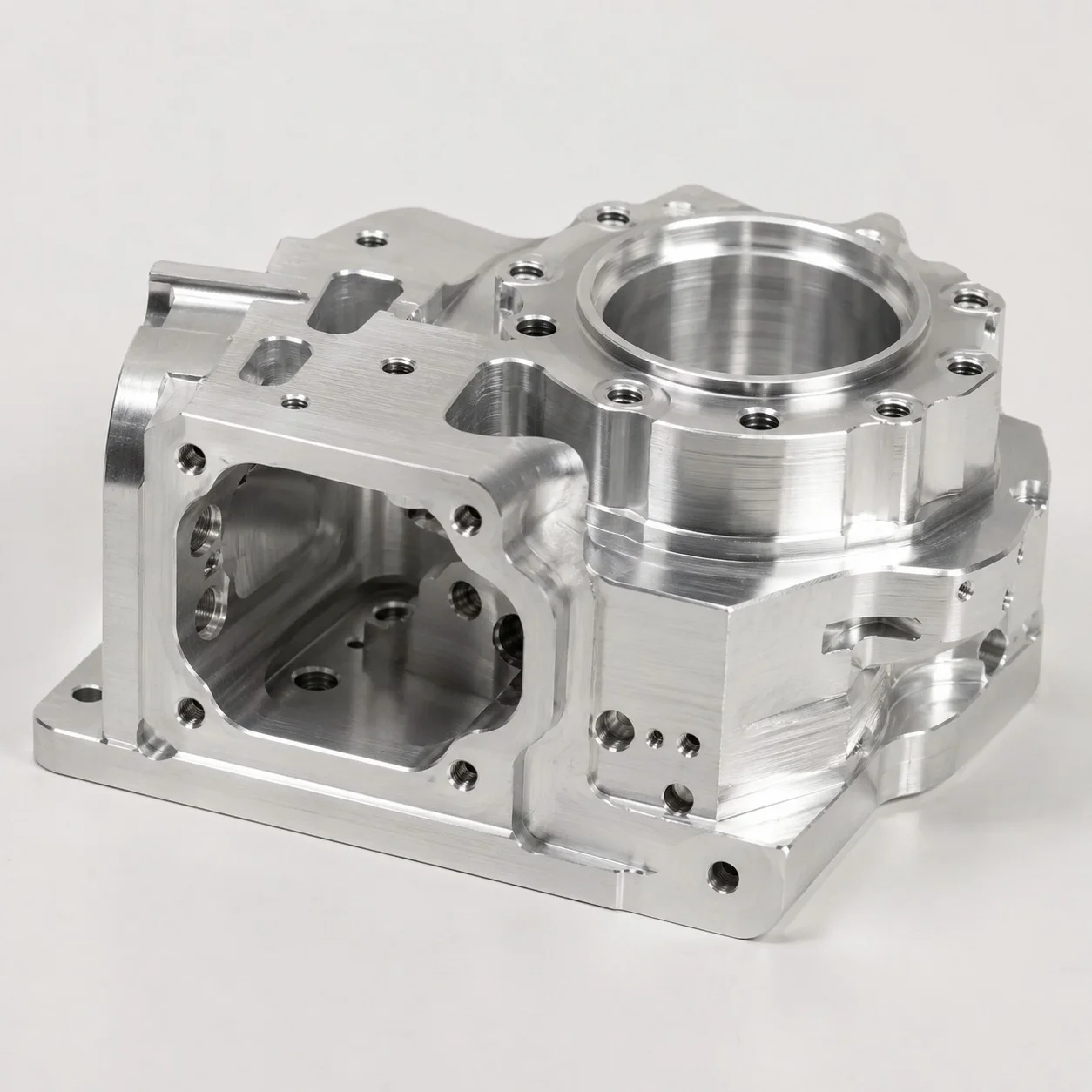
As Machined
The part is supplied directly after CNC machining, retaining visible tool paths and the original material appearance. A practical option for functional parts where cosmetic finishing is not required.
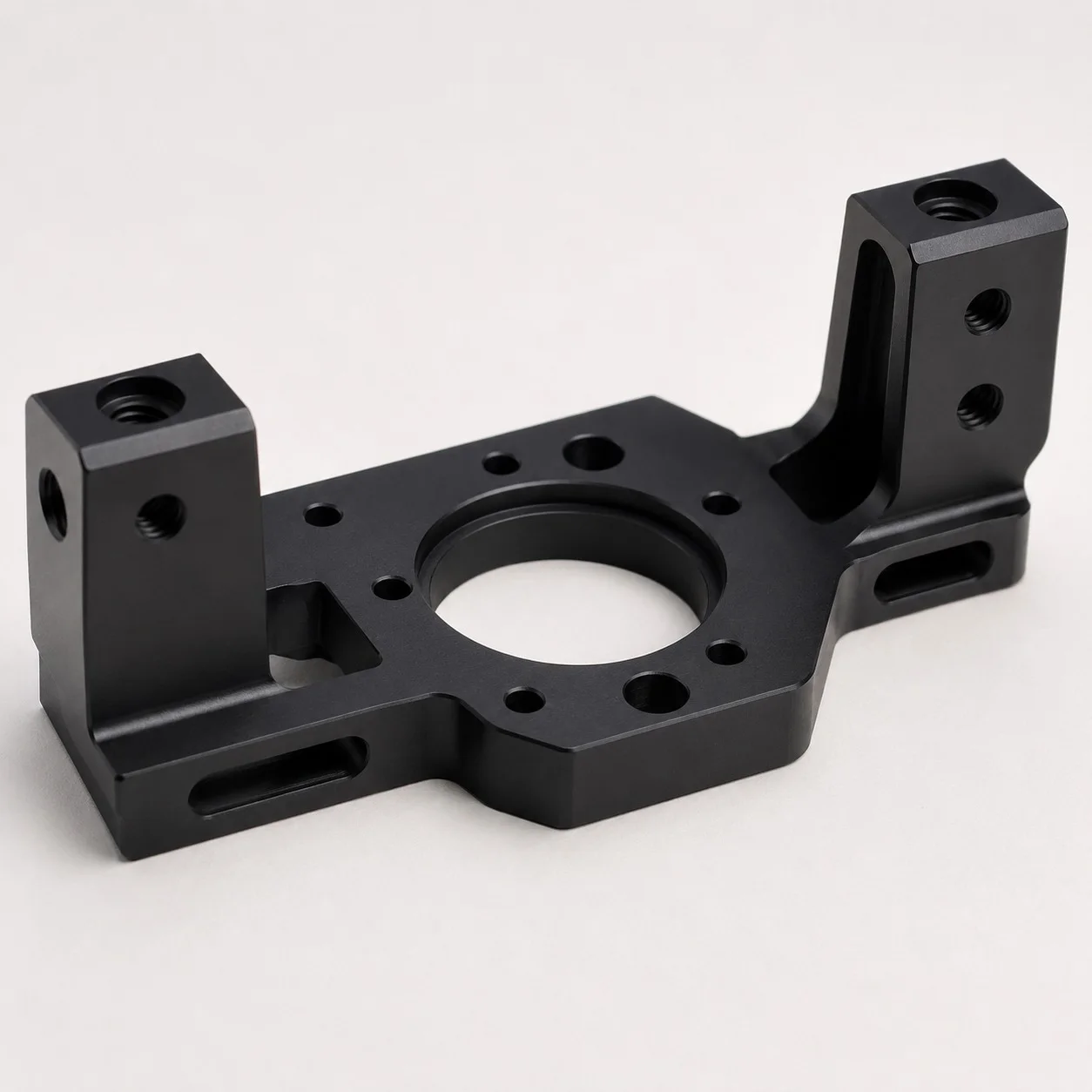
Anodizing
Anodizing is commonly used on aluminum parts to improve corrosion resistance and create a more durable, consistent surface. It can be specified for functional or appearance-focused components.
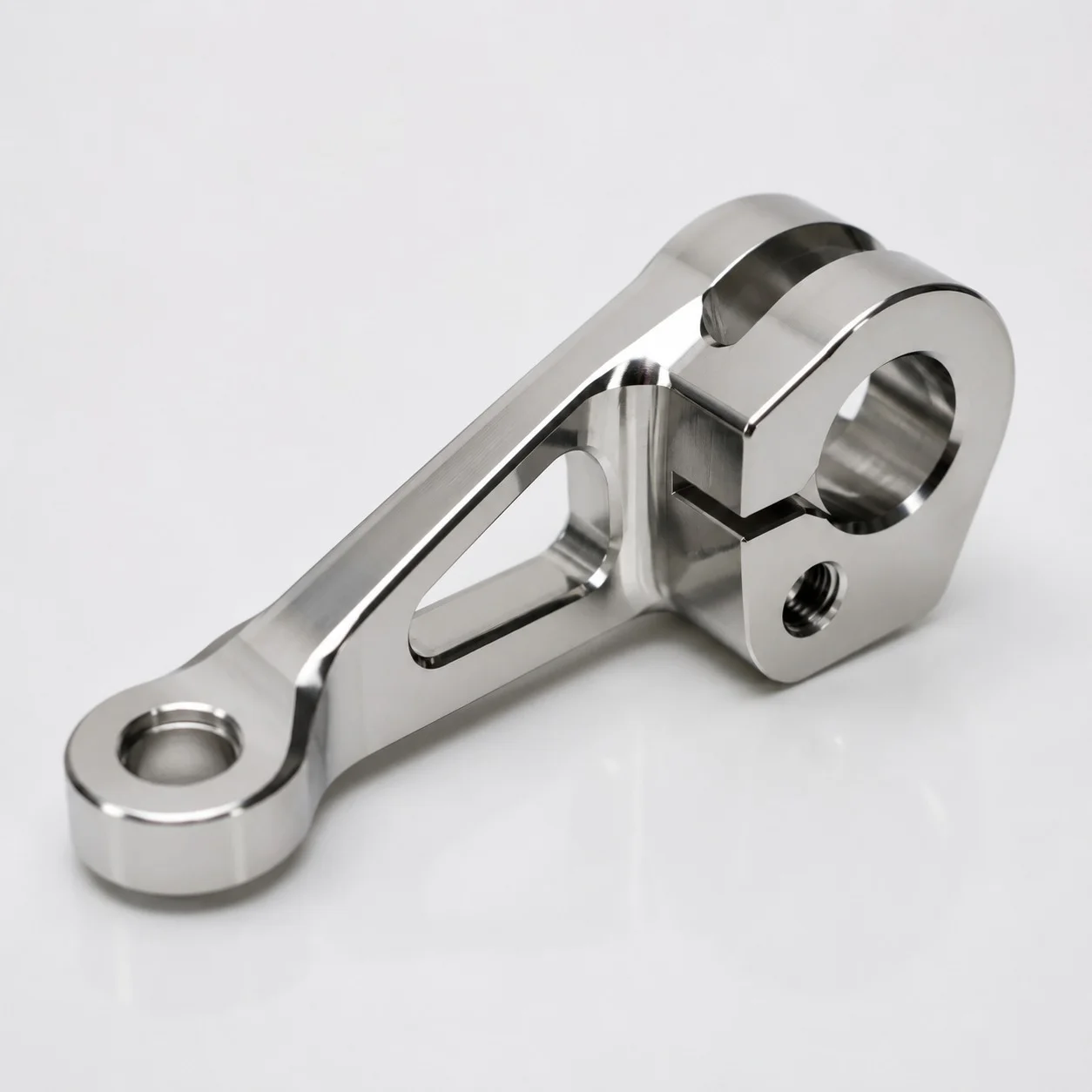
Polishing
Polishing reduces visible machining marks and improves surface smoothness. It is suitable for parts that require a refined appearance, lower roughness, or easier cleaning.
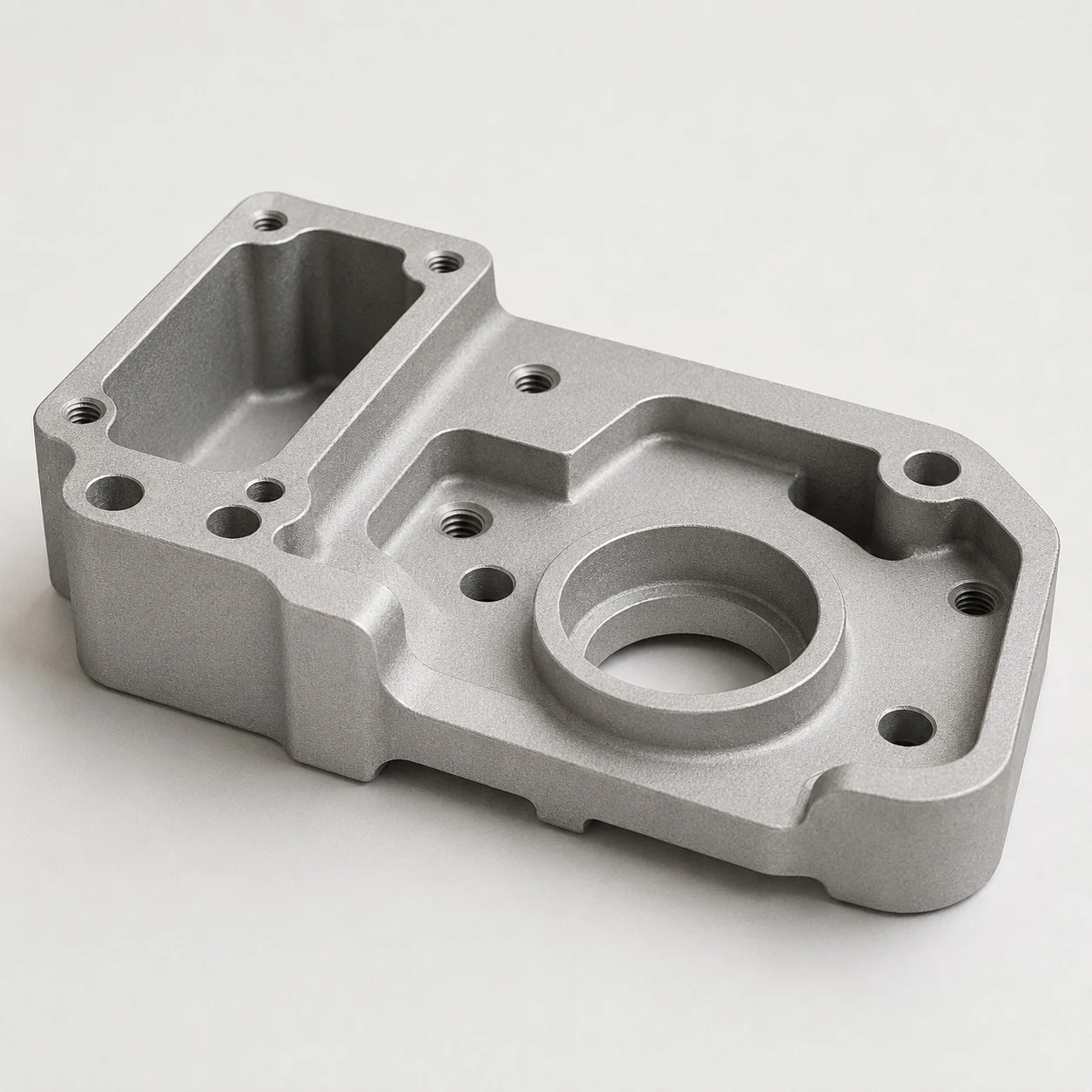
Sand Blasting
Sand blasting creates a uniform matte texture and helps reduce the visibility of machining marks, fingerprints, and minor surface variations on metal parts.
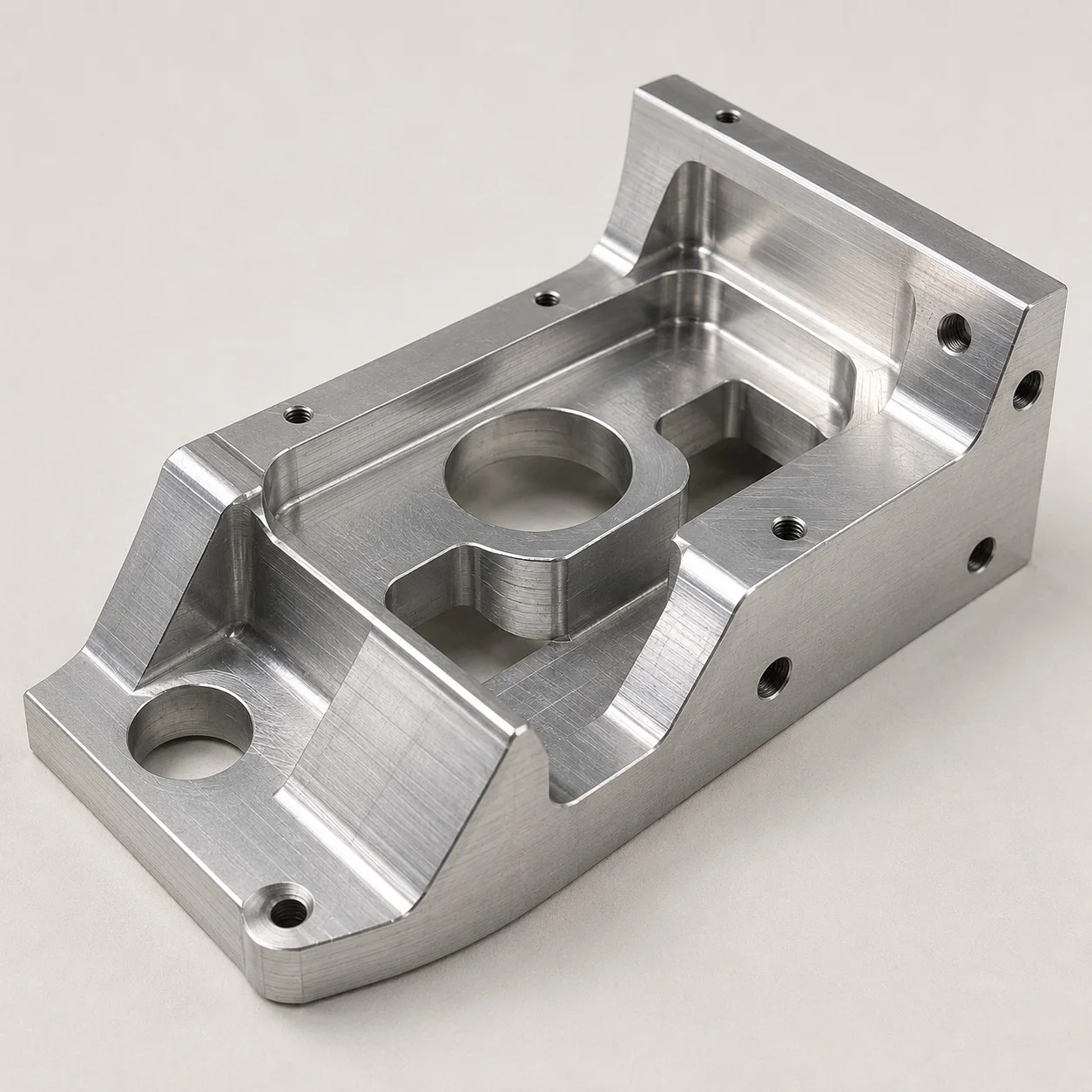
Brushed Finish
A directional satin texture created by abrasive brushing. It helps soften the appearance of light scratches and machining marks, making it suitable for visible metal panels, housings, and decorative components.
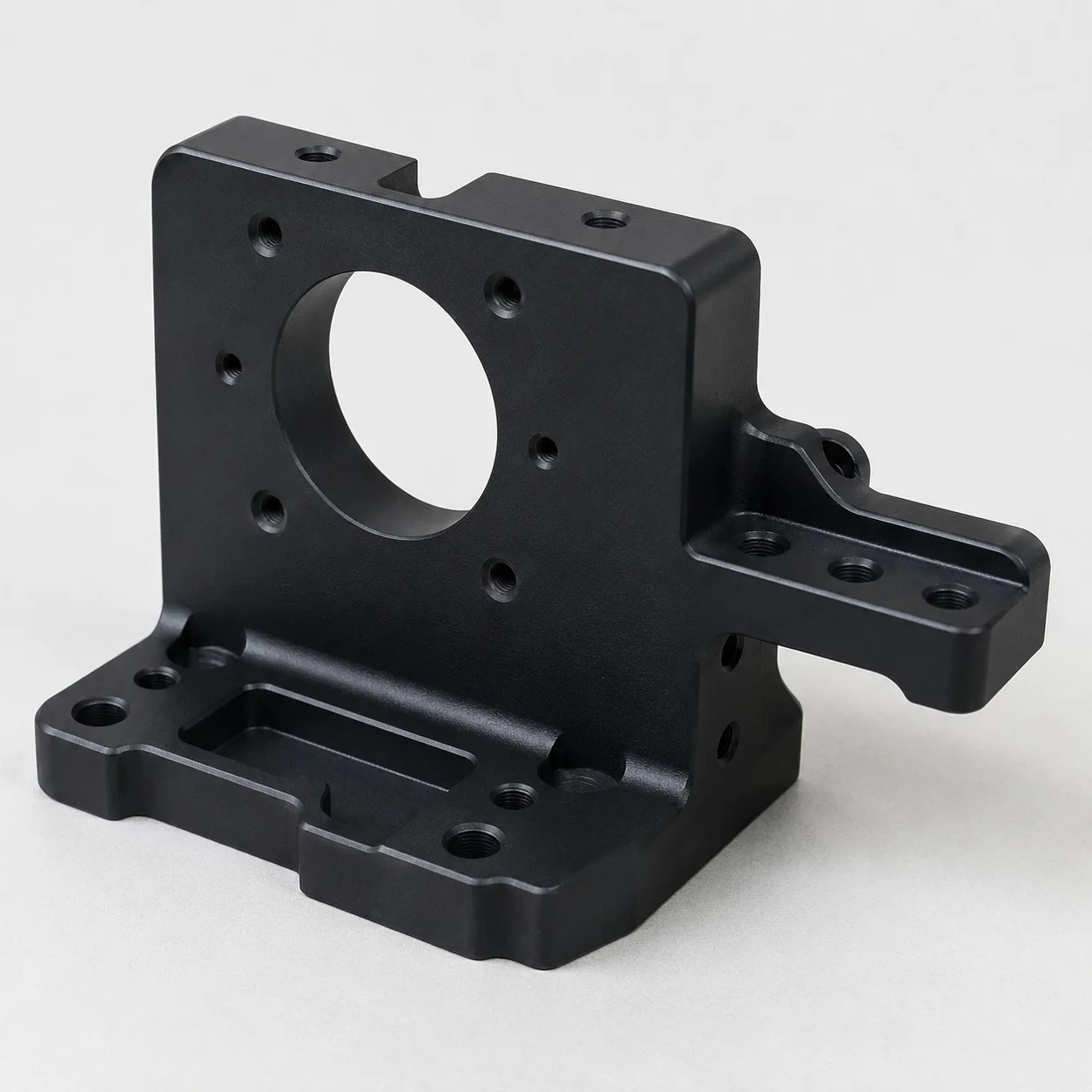
Powder Coating
A cured polymer coating that adds color, a consistent appearance, and durable protection. Commonly used for steel and aluminum enclosures, brackets, frames, and outdoor-use parts.
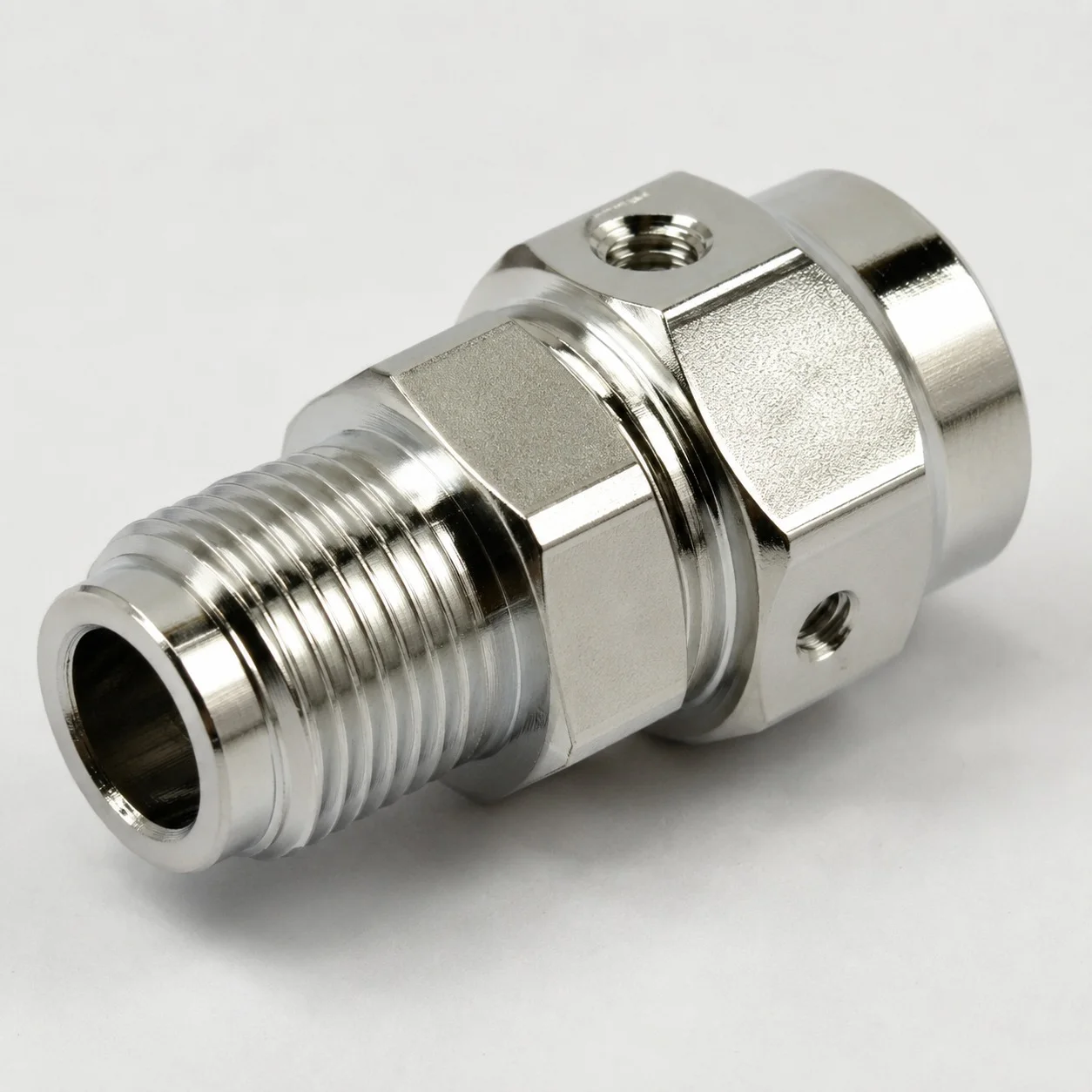
Electroplating
Black oxide is a chemical conversion finish for ferrous steel parts. It creates a dark, low-reflective surface and is often paired with oil or sealant for added corrosion protection.
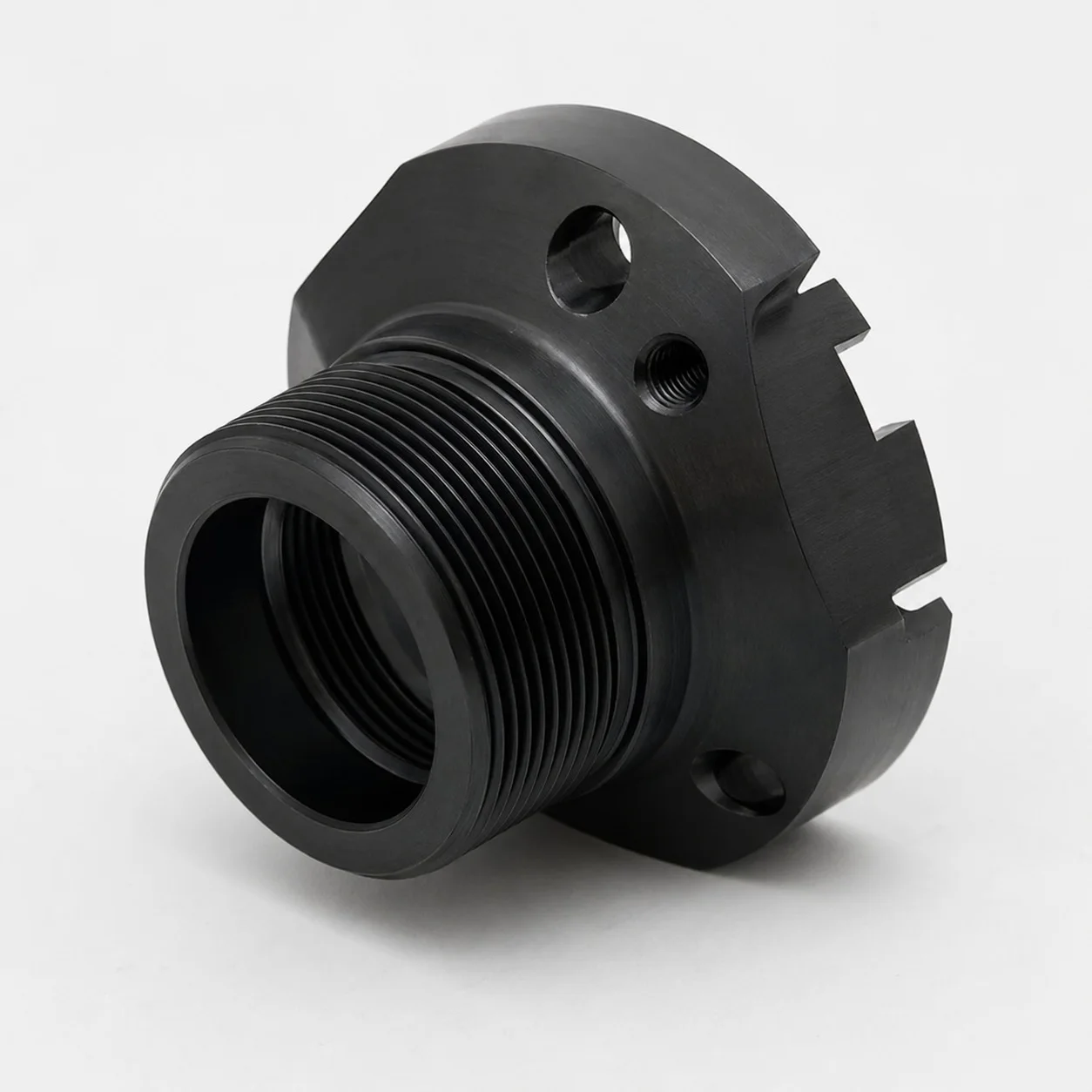
Black Oxidize
Black oxidize is a conversion coating for ferrous metals that improves corrosion resistance and minimizes light reflection.